Building an Accessory Dwelling Unit (ADU) is one of the smartest investments a California homeowner can make – but it’s also a process with many steps, moving parts, and city-dependent timelines.
Online estimates often simplify these steps, but a successful ADU requires design, engineering, financing, permitting, construction, and eventually tenant placement, each with its own timeframe.
At Berg Development, we guide clients through a clear, predictable workflow.
Here’s what an ADU timeline really looks like, based on hundreds of projects across Los Angeles, Glendale, Burbank, and Pasadena.
Step 1 – Site evaluation (1–3 days)
Every ADU begins with understanding what’s possible on your property.
In this phase, Berg examines:
- Lot size and shape
- Setbacks and zoning rules
- Utility connections (water, sewer, electrical, gas)
- Soil or grading considerations
- Access for construction equipment
A site evaluation allows us to determine feasibility, potential ADU types (attached, detached, conversion), and the most cost-efficient path forward.
Timeframe: 1–3 days
Fast, but essential – this step prevents costly redesigns later.
Step 2 – Financing (1 – 3 months)
Once feasibility is confirmed, homeowners secure financing.
This phase varies widely depending on the chosen method:
Common options:
- Home Equity Line of Credit (HELOC)
- ADU-specific construction loans
- Cash-out refinancing
- Local or state incentive programs
Financing timelines depend on bank processing, underwriting, appraisals, and documentation.
Timeframe: 1–3 months
This step can run in parallel with early design work to save time.
Step 3 – 3D design (1 month)
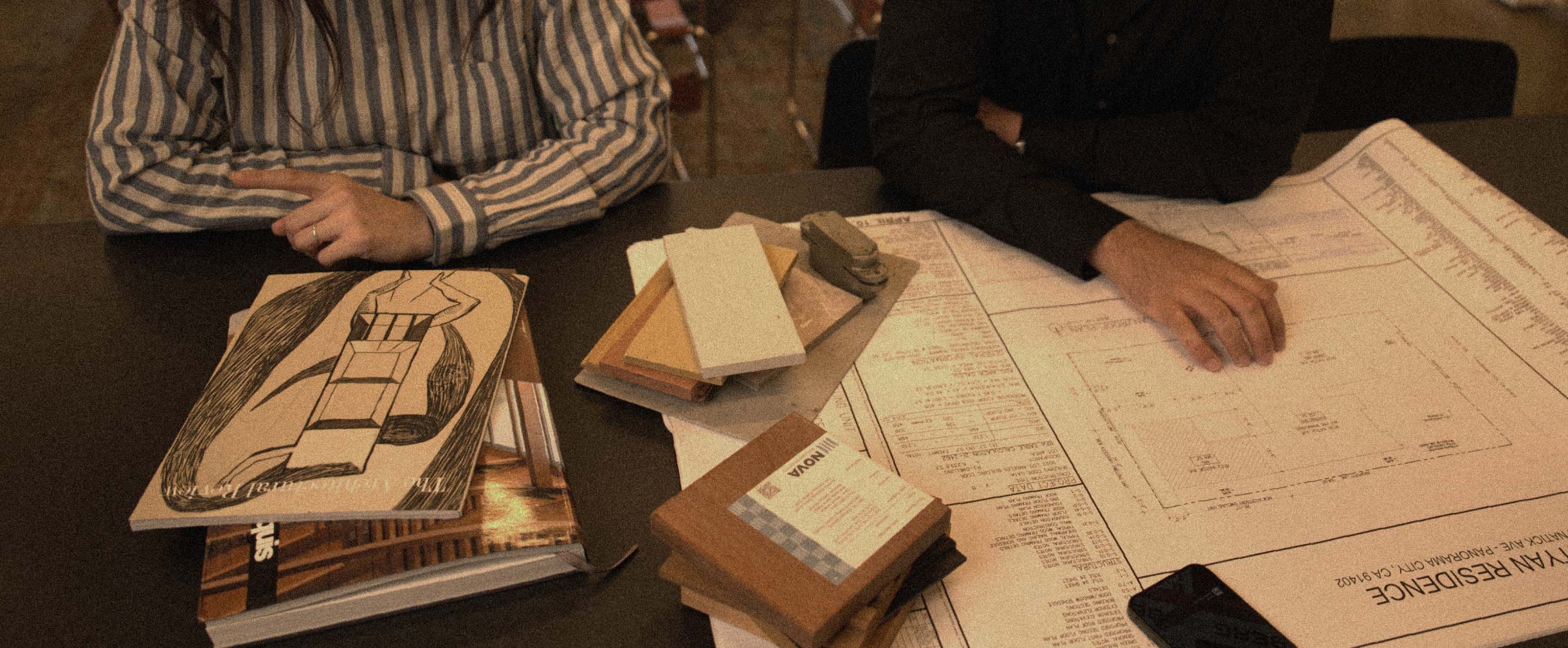
The design phase transforms early ideas into visual, functional plans.
Berg’s team creates:
- Detailed floor plans
- 3D architectural models
- Exterior renderings
- Material and finish concepts
- Preliminary structural layouts
Homeowners walk through the design virtually, making confident decisions about layout, windows, doors, lighting, and more.
Timeframe: ~1 month
This phase ensures accuracy and eliminates guesswork during construction.
Step 4 – Engineering (1 month)
Once the design is approved, engineers translate it into precise structural and mechanical plans.
This includes:
- Structural calculations
- Electrical and plumbing plans
- Title 24 energy compliance
- Mechanical and HVAC design
Engineering ensures the ADU is safe, code-compliant, and ready for the permitting process.
Timeframe: ~1 month
Design + engineering together form the full city-ready construction plan set.
Step 5 – Permitting (3–6 months)
Permitting is often the longest part of any ADU project – especially in Southern California.
Cities review:
- Architectural plans
- Structural engineering
- Energy compliance
- Grading and drainage
- Fire safety requirements
- Utility connections
Depending on the city, plan checks may require 1–3 correction rounds.
Timeframe: 3–6 months
Berg’s permitting team handles all submissions, revisions, and communication with the city to keep your project moving.
Step 6 – Construction (3–8 months)
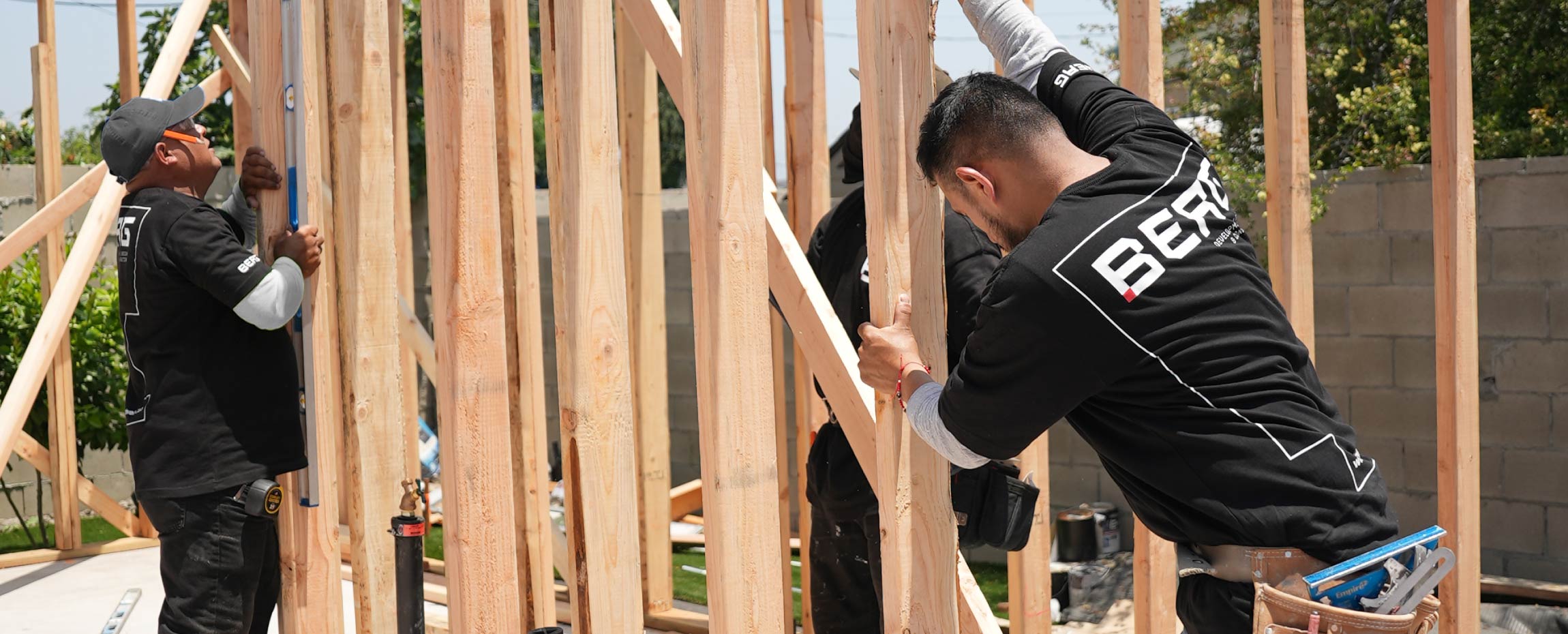
Once permits are approved, construction begins.
The timeline depends on the ADU type (garage conversion vs. new detached build), lot conditions, weather, inspections, and finish complexity.
Typical phases include:
- Demolition & site prep
- Foundation
- Framing
- Roofing & exterior
- Rough plumbing & electrical
- Insulation & drywall
- Flooring, cabinetry, and finishes
- Final inspections and certificate of occupancy
Garage conversions trend toward the shorter end, while new detached builds land on the longer end.
Timeframe: 3–8 months
Berg coordinates every trade, inspection, and material – ensuring high-quality craftsmanship and predictable progress.
Step 7 – Finding tenants (1–2 months)
If the ADU is being used for rental income, the next step is securing reliable tenants.
This includes:
- Pricing analysis
- Photography & listings
- Showings
- Background and credit checks
- Lease signing
A well-designed ADU typically rents quickly in high-demand markets like Los Angeles, Glendale, and Pasadena.
Timeframe: 1–2 months
Many Berg clients begin advertising once construction nears completion to speed up occupancy.
Step 8 – Property management (ongoing)
Once the ADU is occupied, ongoing management ensures a smooth rental experience for both landlord and tenant.
Services may include:
- Rent collection
- Maintenance & repairs
- Tenant communication
- Lease renewals
- Annual inspections
Berg’s property management support gives homeowners peace of mind – especially those using the ADU as a long-term income property.
Timeframe: ongoing
A well-built ADU becomes a reliable source of passive income for years.
Conclusion
Building an ADU isn’t just construction – it’s a coordinated process of design, engineering, approvals, and craftsmanship.
When done right, the result is a high-quality space that increases property value, generates rental income, and supports multigenerational living.
At Berg Development, we guide homeowners through every step with clarity, professionalism, and proven timelines – turning complexity into a smooth, predictable experience.
Ready to start your ADU journey?
Contact Berg Development today for a personalized consultation and site evaluation.