Interior materials are more than aesthetic choices – they shape how a home feels, functions, and ages over time.
The right material is easy to maintain, visually timeless, and able to withstand daily use. The wrong one creates maintenance problems, higher long-term costs, and design regret.
At Berg Development, we guide homeowners through material selection based on lifestyle, durability, design vision, and budget.
Below is a complete guide to the best materials for interiors today – and why we use them.
Flooring: choosing beauty that lasts
Engineered hardwood
The most popular modern option, engineered hardwood provides the warmth of real wood with more stability in California’s climate.
Why it’s great:
-
Less prone to warping than solid wood
-
Works on concrete slabs (perfect for ADUs)
-
Wide range of stains and textures
Best for: living rooms, bedrooms, hallways.
Luxury vinyl plank (LVP)
A top choice for families and rentals – durable, waterproof, and budget-friendly.
Why we recommend it:
-
Extremely scratch-resistant
-
Waterproof versions ideal for kitchens, bathrooms, and laundry rooms
-
Mimics natural wood or stone at a lower cost
Best for: entire home layouts, including high-traffic areas.
Porcelain tile
Long-lasting and timeless, porcelain tile handles moisture and heavy wear better than almost any other material.
Why it works:
-
Non-porous and easy to clean
-
Heat- and stain-resistant
-
Ideal for radiant floor heating systems
Best for: bathrooms, kitchens, and modern minimalist spaces.
Countertops: durability meets design
Quartz
Quartz is one of the most durable and low-maintenance countertop materials on the market.
Benefits:
-
Non-porous, meaning no sealing required
-
Resistant to stains, scratches, and bacteria
-
Available in clean, modern patterns
Why Berg chooses it: longevity + low maintenance = ideal for families and investment properties.
Granite
A natural stone with a unique look, perfect for homeowners who want organic character.
Benefits:
-
Heat-resistant
-
Extremely durable
-
Adds natural variation and depth
Note: Requires periodic sealing to remain stain-resistant.
Butcher block
Warm, inviting, and perfect for design-forward kitchens.
Benefits:
-
Warm natural feel
-
Works beautifully with modern, farmhouse, or Scandinavian styles
Maintenance: Needs oiling; not ideal for heavy rental properties.
Wall finishes: creating texture and impact
Smooth drywall
The gold standard for contemporary California homes.
Why it’s preferred:
-
Clean, modern look
-
Works with any interior style
-
Ideal for high-end finishes and paint colors
Venetian plaster or limewash
Adds luxury and subtle texture.
Benefits:
-
Environmentally friendly
-
Breathable and mold-resistant
-
Soft, elegant movement on the wall
Use cases: feature walls, living rooms, primary suites.
Cabinetry and built-ins: functionality meets craftsmanship
Plywood core cabinets
High-end cabinets with superior longevity compared to particleboard.
Benefits:
-
More water-resistant
-
Holds screws and hardware better
-
Long-term structural stability
MDF for painted finishes
Smooth and perfect for modern cabinetry styles.
Common uses:
-
Shaker doors
-
Flat panels
-
Custom built-ins
Why designers like it: no wood grain means smooth, consistent paint application.
Bathroom materials: durability in wet environments
Porcelain tile (floors and walls)
The most reliable bathroom material.
Benefits:
-
Waterproof
-
Nearly scratch-proof
-
Endless design patterns
Quartz vanity tops
Low maintenance and ideal for daily use.
Stainless steel or brass hardware
Durable finishes that resist rust and corrosion.
Tip: Choose solid brass when possible – coatings last significantly longer.
Lighting fixtures & electrical finishes
LED recessed lighting
Energy-efficient, long-lasting, and clean in appearance.
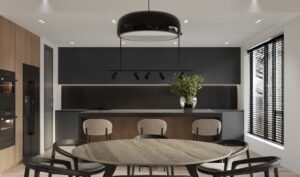
Statement pendants
Perfect for kitchen islands and dining spaces.
Matte black or brushed brass electrical plates
A small detail that elevates the final look.
Doors and trim: framing the space
Solid-core interior doors
Provide better sound insulation and a premium feel.
Craftsman or modern flat trim
Simplifies the look and supports contemporary design trends.
Floor-to-ceiling doors (optional upgrade)
Make spaces feel larger and more architectural.
The best materials for rentals or ADUs
For ADUs or rental homes, we recommend materials that balance durability and affordability:
-
LVP flooring (nearly indestructible)
-
Quartz countertops (stain-proof)
-
Porcelain tile showers (low maintenance)
-
Semi-custom cabinets (durable but cost-efficient)
-
Satin or eggshell wall paint (easy to clean/repaint)
These choices reduce turnover costs and increase long-term ROI.
How Berg helps homeowners choose the right materials
Good design isn’t just about taste – it’s about strategy.
Berg Development selects materials based on:
-
Durability for California climates
-
Maintenance and cleaning needs
-
Aesthetic longevity
-
Lifestyle (kids, pets, rentals)
-
Budget and long-term ROI
-
Sustainability and energy efficiency
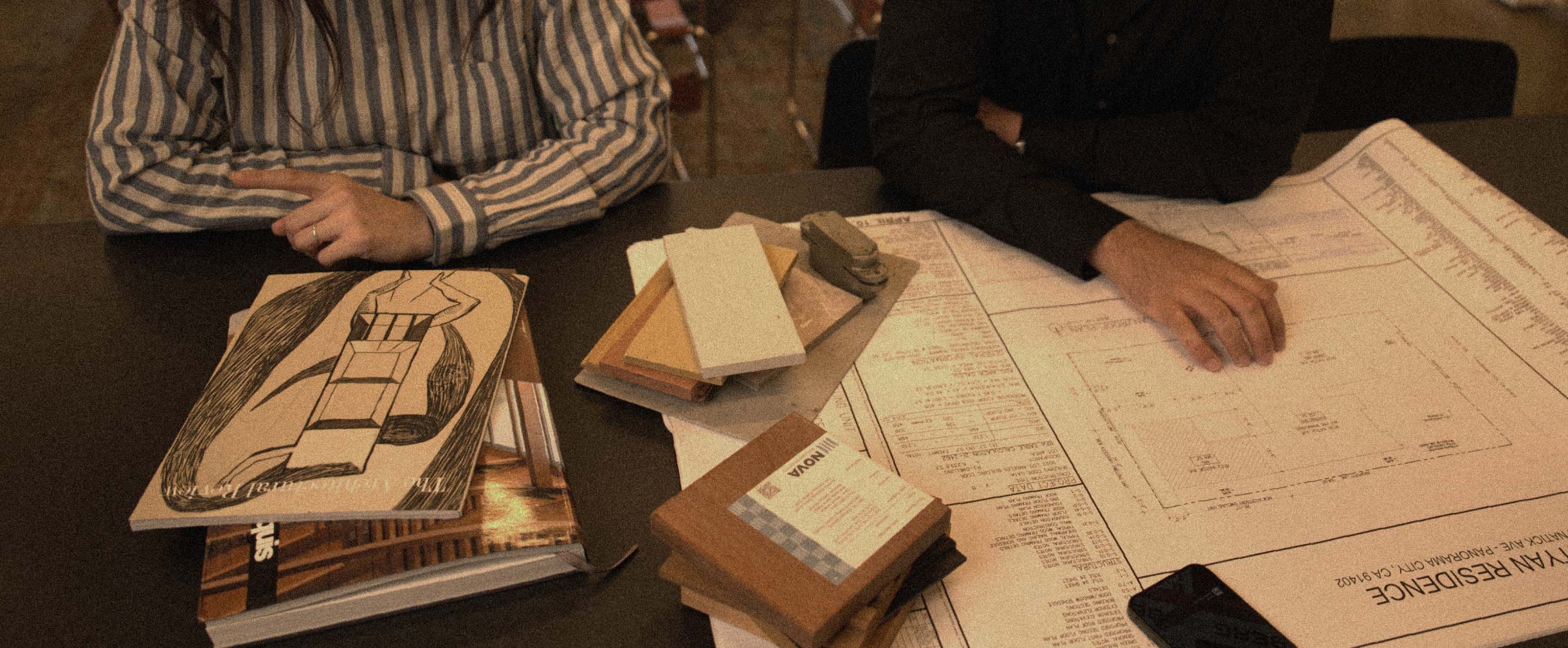
We walk homeowners through samples, digital visualizations, and real material comparisons so choices feel clear and confident.
Conclusion
Choosing interior materials is one of the most important phases of building or remodeling a home.
A well-selected palette should be durable, functional, and timeless – supporting your lifestyle for years to come.
At Berg Development, we combine design expertise with construction experience to help homeowners choose materials that look beautiful today and stay beautiful tomorrow.
Ready to start designing your dream interior?
Contact Berg Development for a consultation and personalized material recommendations.