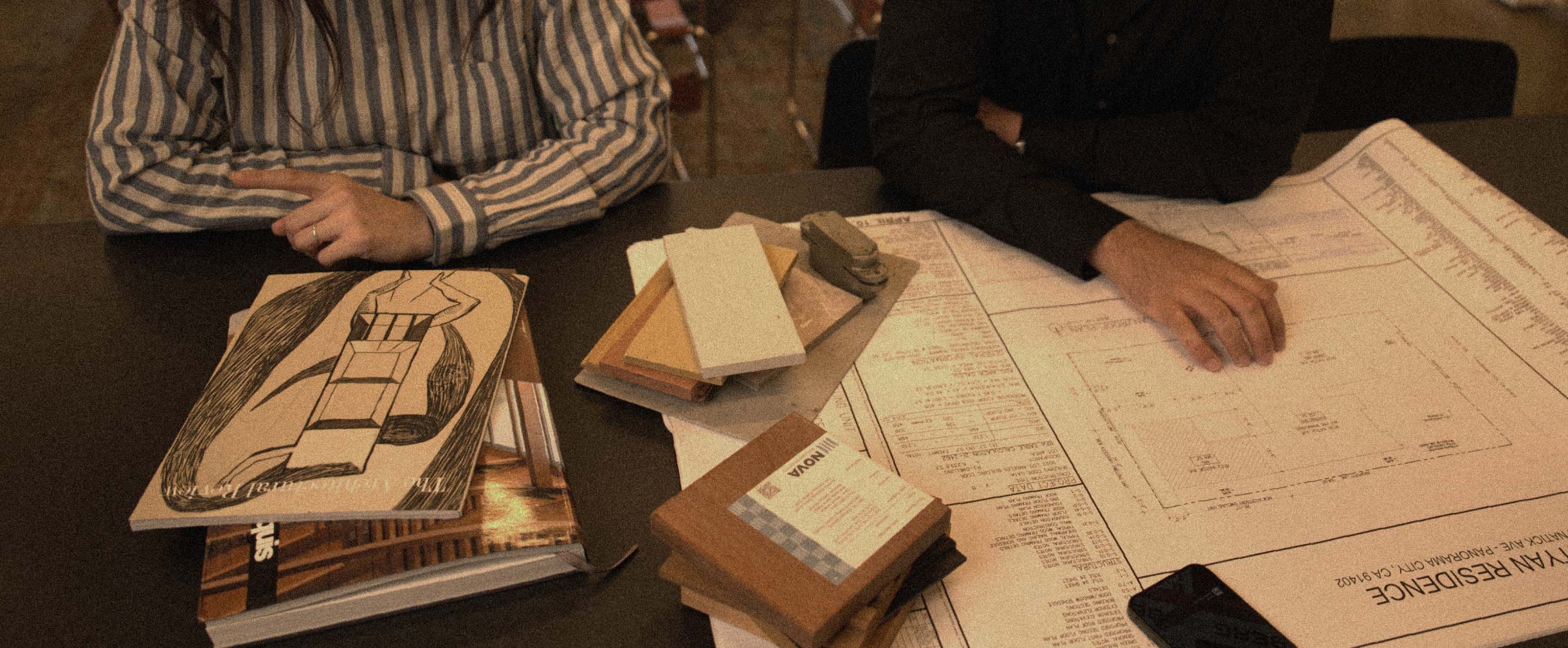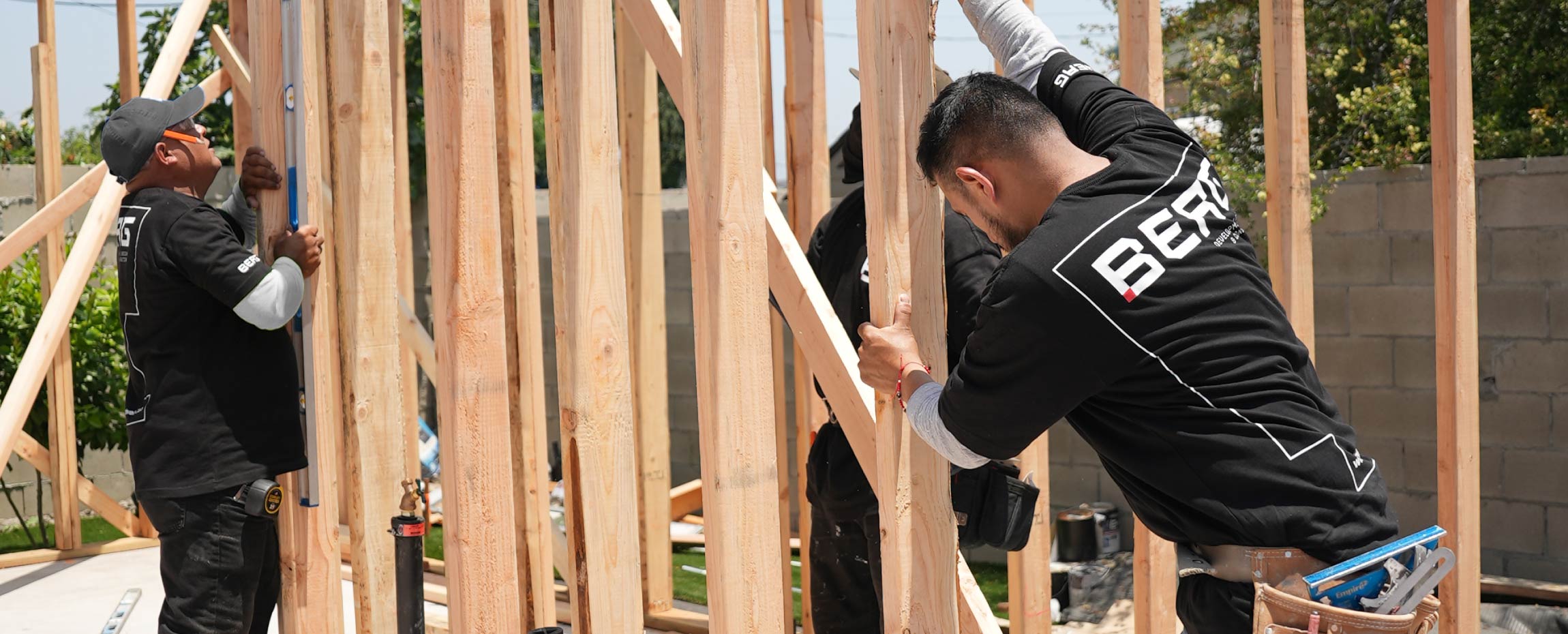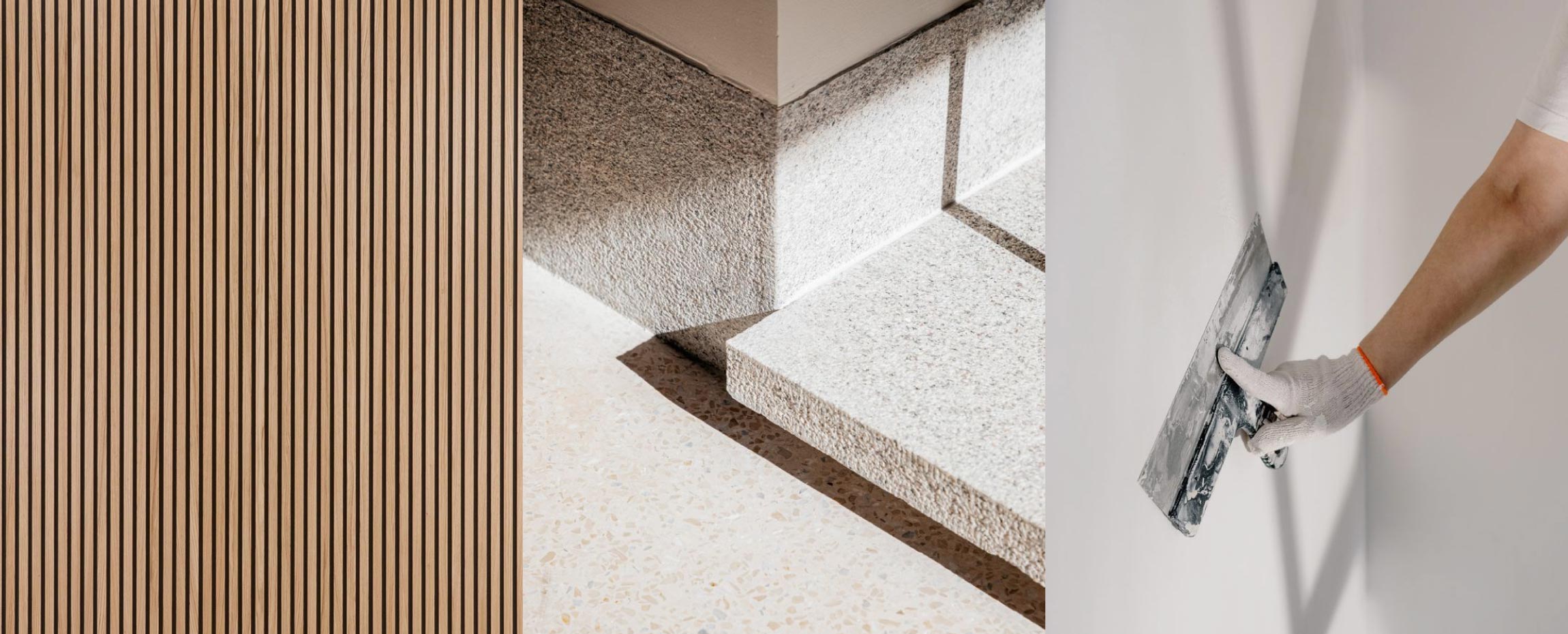
Walls do more than divide space.
They affect how a home feels, how it sounds, how it ages, and how much maintenance it requires over time.
Yet wall systems are often treated as an afterthought – chosen quickly, based on trends or familiarity, rather than long-term performance.
At BERG Development, we see the impact of wall system choices years after construction is complete. This guide breaks down the three most common options – drywall, plaster, and paneling – and explains how to choose the right one based on function, lifestyle, and longevity.
Why wall systems matter more than most homeowners realize
Walls influence:
- durability and crack resistance
- sound insulation and privacy
- moisture performance
- maintenance and repair costs
- resale perception
A wall finish that looks identical on day one can perform very differently over time depending on the system behind it.
Choosing the right wall system isn’t about what’s “standard.” It’s about what fits the home you’re building or renovating.
Drywall: the modern standard
Drywall is the most commonly used wall system in residential construction today – and for good reason.
What drywall is
Drywall consists of gypsum panels mounted to framing, finished with joint compound, tape, and paint or texture.
Why drywall is popular
- cost-effective
- fast to install
- easy to repair
- compatible with modern construction systems
- works well with electrical and plumbing layouts
Drywall allows for flexibility, which is why it dominates both new builds and remodels.
Where drywall performs best
- bedrooms and living areas
- hallways and circulation spaces
- ceilings
- large wall surfaces
Limitations to consider
- susceptible to dents and impact damage
- visible seams if poorly installed
- less sound-dampening without upgrades
- moisture sensitivity without proper protection
Drywall isn’t fragile – but it is honest. Poor workmanship shows quickly.

Plaster: timeless, durable, and labor-intensive
Plaster predates drywall and remains one of the most durable wall systems available when installed correctly.
What plaster is
Traditional plaster is applied in layers over lath or masonry, creating a dense, solid wall surface.
Why homeowners choose plaster
- exceptional durability
- natural sound dampening
- rich, smooth finish
- high-end, timeless feel
Plaster walls often feel more substantial – because they are.
Where plaster excels
- historic homes
- luxury custom builds
- homes prioritizing acoustics
- curved walls or architectural detailing
Trade-offs to understand
- higher installation cost
- longer construction time
- fewer skilled installers available
- repairs require expertise
Plaster rewards quality craftsmanship – but punishes shortcuts.
Paneling: design-driven and functional when used intentionally
Paneling has evolved far beyond outdated wood strips. Modern panel systems are highly versatile when applied thoughtfully.
What paneling includes
- wood panels
- MDF panels
- engineered decorative panels
- slat walls
- acoustic panels
Paneling can be structural, decorative, or both.
Why paneling is gaining popularity
- adds warmth and texture
- hides imperfections
- improves acoustics
- creates visual structure
- allows targeted design moments
Where paneling works best
- feature walls
- offices and studies
- dining rooms
- entryways
- media rooms
Paneling works best when used selectively – not everywhere.
Comparing drywall, plaster, and paneling
Cost comparison
- drywall: lowest upfront cost
- paneling: mid-range depending on material
- plaster: highest upfront investment
Durability
- plaster: most impact-resistant
- paneling: durable depending on material
- drywall: durable with proper installation, but most repair-prone
Maintenance
- drywall: easiest to patch and repaint
- paneling: depends on finish and material
- plaster: long-lasting but harder to repair
Sound performance
- plaster performs best naturally
- paneling improves acoustics when designed for it
- drywall requires upgrades for sound control
Design flexibility
- drywall offers a neutral canvas
- paneling adds strong character
- plaster supports refined, minimal finishes
No system is universally “better.” Each excels in different roles.
Moisture and climate considerations in California homes
California homes experience:
- coastal humidity
- hillside temperature swings
- interior-exterior transitions
- slab-on-grade construction
Wall systems must respond accordingly.
Drywall considerations
- moisture-resistant drywall in bathrooms and kitchens
- proper vapor barriers
- ventilation planning
Plaster considerations
- excellent moisture resistance when properly sealed
- ideal for older masonry structures
Paneling considerations
- material selection is critical
- engineered panels outperform solid wood in variable climates
- proper spacing allows movement
Ignoring climate realities leads to cracking, warping, and premature wear.
The biggest wall system mistakes homeowners make
Choosing based on trend alone
Walls should last decades. Trends rarely do.
Mixing systems without planning
Transitions between materials must be intentional.
Ignoring sound performance
Privacy complaints often start with wall choices.
Underestimating repair complexity
Not all wall damage is equally easy to fix.
Separating design from construction input
This is where most wall failures begin.
How BERG Development approaches wall system selection
At BERG, wall systems are chosen during design – not after.
We evaluate:
- room function
- traffic and wear
- acoustic needs
- lighting interaction
- long-term maintenance
- construction sequencing
This integrated approach ensures wall finishes support the home’s performance, not just its appearance.
How to choose the right wall system for your home
Ask yourself:
- how will this space be used daily?
- how important is sound control?
- what level of maintenance is realistic?
- how long do I want this finish to last?
- does this material fit the home’s architecture?
The right answer is rarely one system everywhere.
Walls should support life, not complicate it
Great wall systems disappear into daily life – doing their job quietly, year after year.
Whether that’s drywall’s flexibility, plaster’s permanence, or paneling’s character depends on how the home is designed and built.
At BERG Development, we help homeowners make wall system decisions that feel just as right years later as they did on day one.
Call to action
If you’re planning a remodel or new build and want guidance on materials that balance design, durability, and performance, our team is here to help.
Schedule a consultation with BERG Development and make construction decisions with clarity – not guesswork.