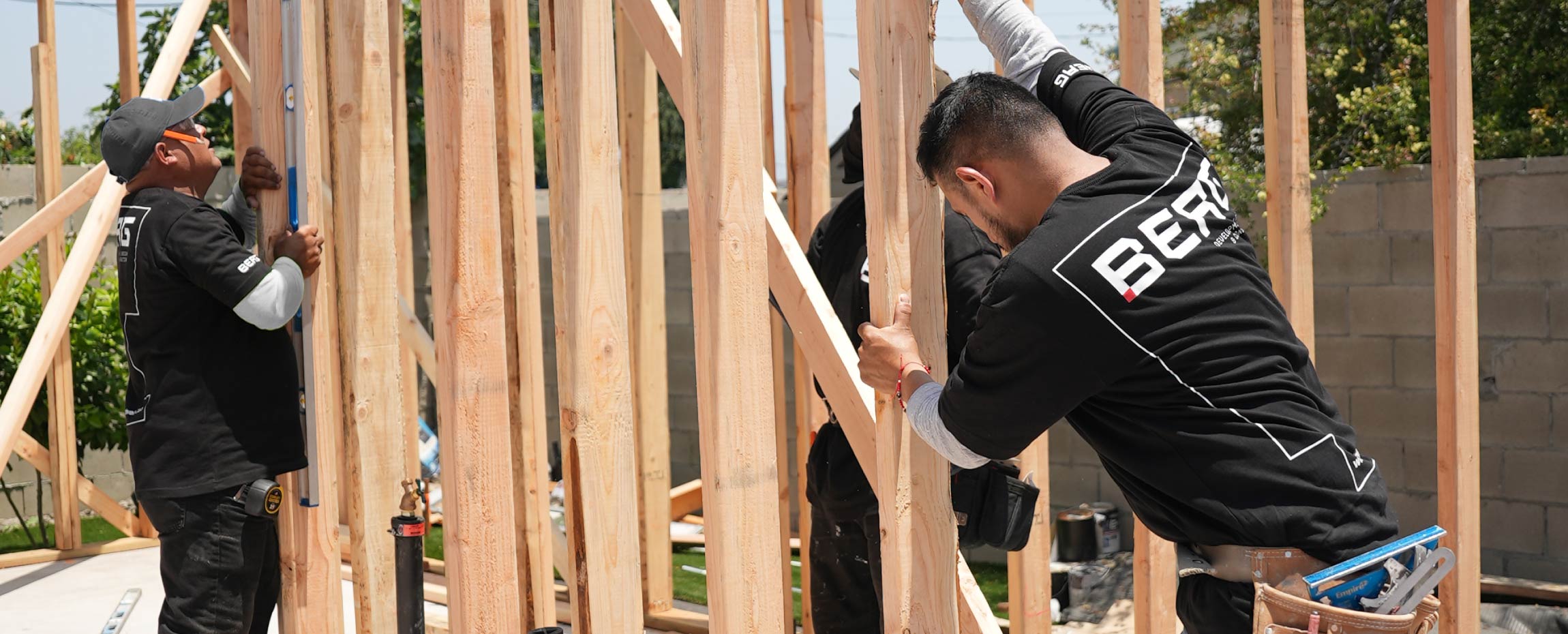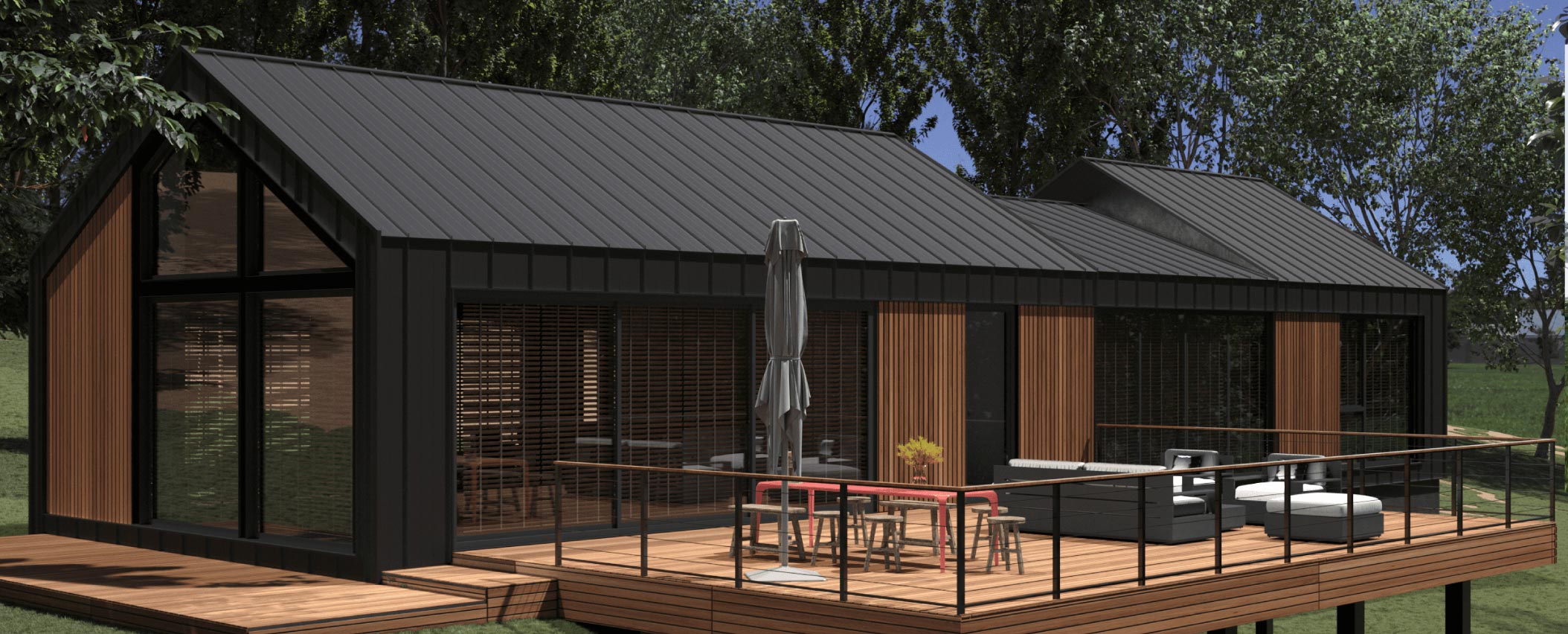
Not all lots are created equal.
Two homes with the same square footage can have vastly different costs, timelines, and risks – simply because one is built on a hillside and the other on flat land.
At BERG Development, we work with both. This guide explains the real differences between hillside and flat lot construction, what homeowners should expect, and why understanding your site is critical before design begins.
Why lot conditions shape everything
Your lot determines:
- structural strategy
- foundation type
- drainage solutions
- access and staging
- permitting complexity
- construction cost
Ignoring site realities leads to delays, redesigns, and budget overruns.
Flat lot construction: Predictable and efficient
Flat lots are generally:
- easier to access
- simpler to excavate
- faster to build on
- less expensive structurally
Advantages of flat lots
- straightforward foundations
- simpler drainage
- easier material staging
- fewer structural reinforcements
Flat lots allow more of the budget to go into design and finishes.
Limitations of flat lots
While easier to build on, flat lots can:
- limit views
- reduce privacy
- restrict creative massing
- require zoning compromises
Design quality still matters – flat doesn’t mean simple.
Hillside construction: Complex but powerful
Hillside homes offer:
- views
- privacy
- architectural drama
But they also demand careful engineering.
Hillside challenges include:
- soil stability
- retaining structures
- drainage management
- slope setbacks
- access limitations
- staging constraints
These factors must be addressed early – not after design.
Foundations: The biggest difference
Flat lots often use:
- slab-on-grade
- conventional footings
Hillside lots may require:
- stepped foundations
- caissons
- grade beams
- retaining walls
Foundation costs can vary dramatically based on slope and soil conditions.
Drainage and water management
Water behaves differently on slopes.
Hillside homes require:
- advanced drainage systems
- erosion control
- waterproofing strategies
Failure here leads to long-term structural risk.
Permitting and approvals
Hillside projects often face:
- stricter reviews
- geotechnical requirements
- additional inspections
Permitting timelines are usually longer and more detailed.
Construction logistics and access
On flat lots:
- crews move easily
- materials are staged efficiently
On hillsides:
- access may be limited
- crane use may be required
- scheduling is more sensitive
These logistics affect both time and cost.
Cost comparison: Flat vs hillside
Hillside construction typically costs more due to:
- engineering
- excavation
- foundations
- logistics
However, well-designed hillside homes often deliver higher long-term value due to views and uniqueness.
How BERG Development approaches site-driven design
We begin every project with site evaluation:
- slope analysis
- soil conditions
- access planning
- zoning review
Design follows the land – not the other way around.
Choosing the right strategy for your lot
Before committing to design, homeowners should understand:
- what the site demands
- what trade-offs exist
- where to invest
- where to simplify
A well-designed home responds to its site naturally.
The land always has the final word
Flat or hillside, your lot sets the rules.
The smartest projects don’t fight the site – they work with it.
At BERG Development, we design homes that respect land conditions while maximizing performance, safety, and long-term value.
If you’re planning to build and want clarity on how your lot affects cost, design, and feasibility, our team is ready to guide you.
Schedule a consultation with BERG Development and start with a strategy – not assumptions.