Energy efficiency is often misunderstood as a limitation – thicker walls, smaller windows, simpler forms.
In reality, energy efficiency is a design opportunity.
When planned correctly, efficient homes feel brighter, quieter, more comfortable, and more intentional. The problem isn’t energy efficiency – it’s when it’s added too late.
At BERG Development, energy performance is built into the design process, not layered on afterward. This approach allows homes to perform better and look better.
Why energy efficiency starts with design
Most energy loss occurs through:
- poorly oriented windows
- inefficient layouts
- uncoordinated systems
- thermal bridges
Once a home is built, fixing these issues is expensive or impossible.
Design decisions made early have the greatest impact.
Orientation and layout: The invisible advantage
Window placement and home orientation influence:
- natural light
- heat gain
- cooling needs
Designing with the sun reduces reliance on mechanical systems.
Good energy design doesn’t eliminate windows – it places them intelligently.
High-performance envelopes that don’t look bulky
Energy efficiency doesn’t require thick, heavy walls everywhere.
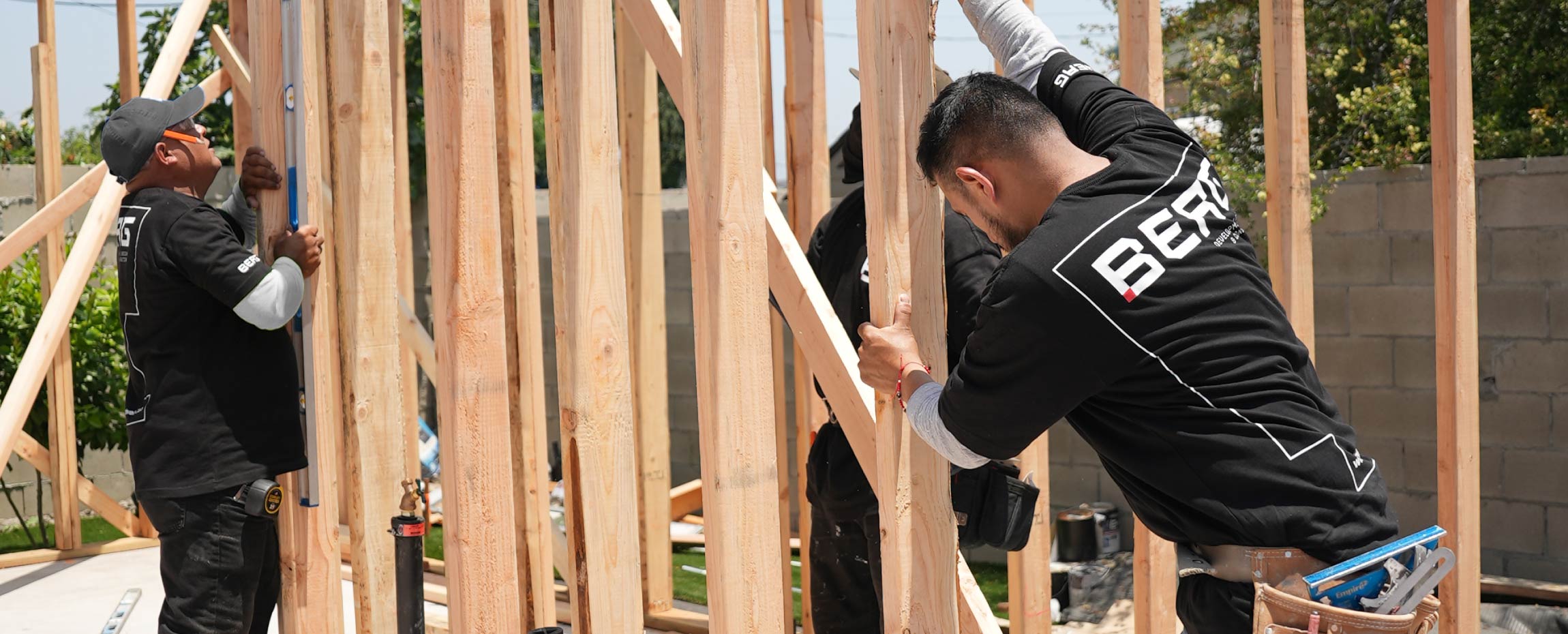
Modern assemblies use:
- advanced framing
- rigid exterior insulation
- continuous air barriers
These systems improve performance while maintaining clean lines and proportions.
Windows: Where efficiency meets aesthetics
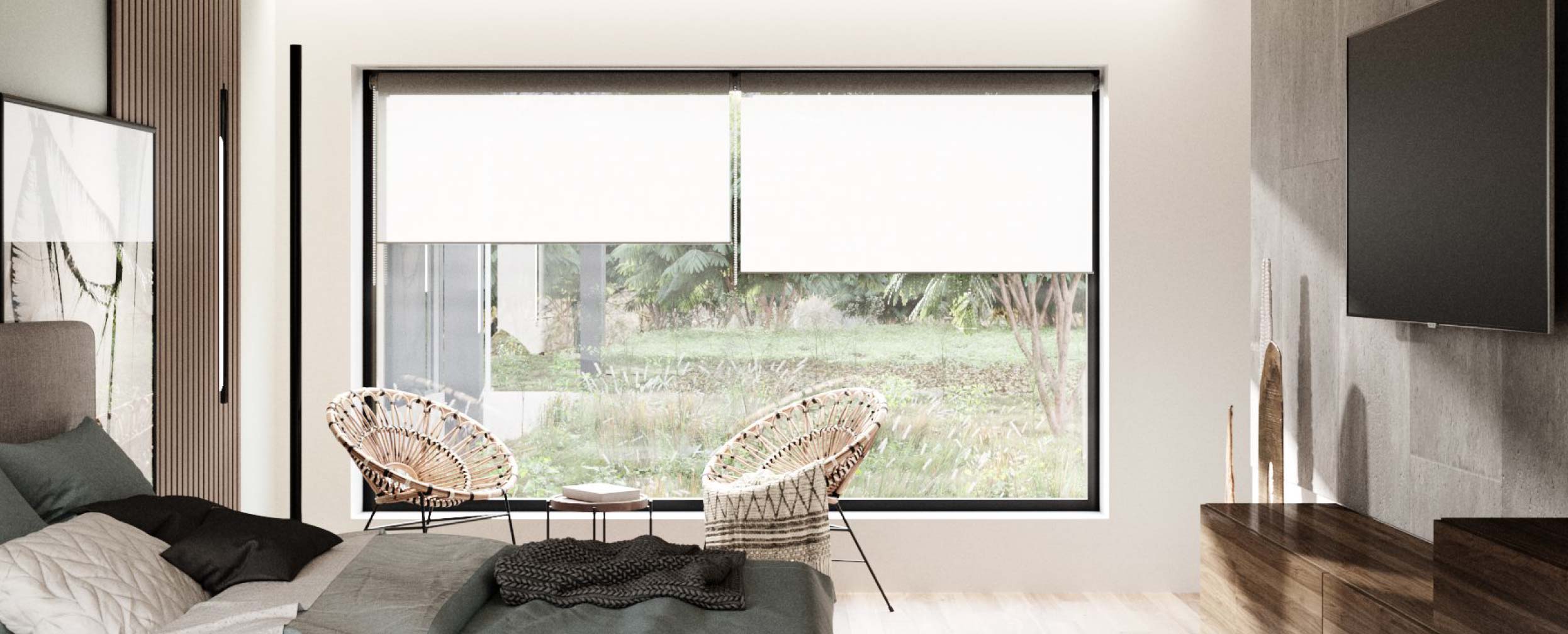
Windows are often blamed for energy loss – but poor selection is the real issue.
High-performance windows:
- reduce heat transfer
- improve comfort near glass
- allow larger openings without penalty
The right glazing and framing make expansive views possible without sacrificing efficiency.
HVAC integration, not domination
Oversized HVAC systems are common – and inefficient.
When design and insulation are optimized:
- systems can be smaller
- noise is reduced
- energy use drops
Mechanical systems should support design, not dictate it.
Materials that support performance and beauty
Energy-efficient materials include:
- engineered wood
- cool roofing systems
- insulated concrete forms
- high-performance glazing
Performance and aesthetics are not opposites – they are collaborators.
Avoiding the “green but uncomfortable” trap
Some homes meet energy targets but feel:
- dark
- boxed-in
- overly sealed
Efficiency must be paired with:
- ventilation
- daylighting
- thoughtful spatial design
Comfort is part of performance.
How BERG Development integrates efficiency into design
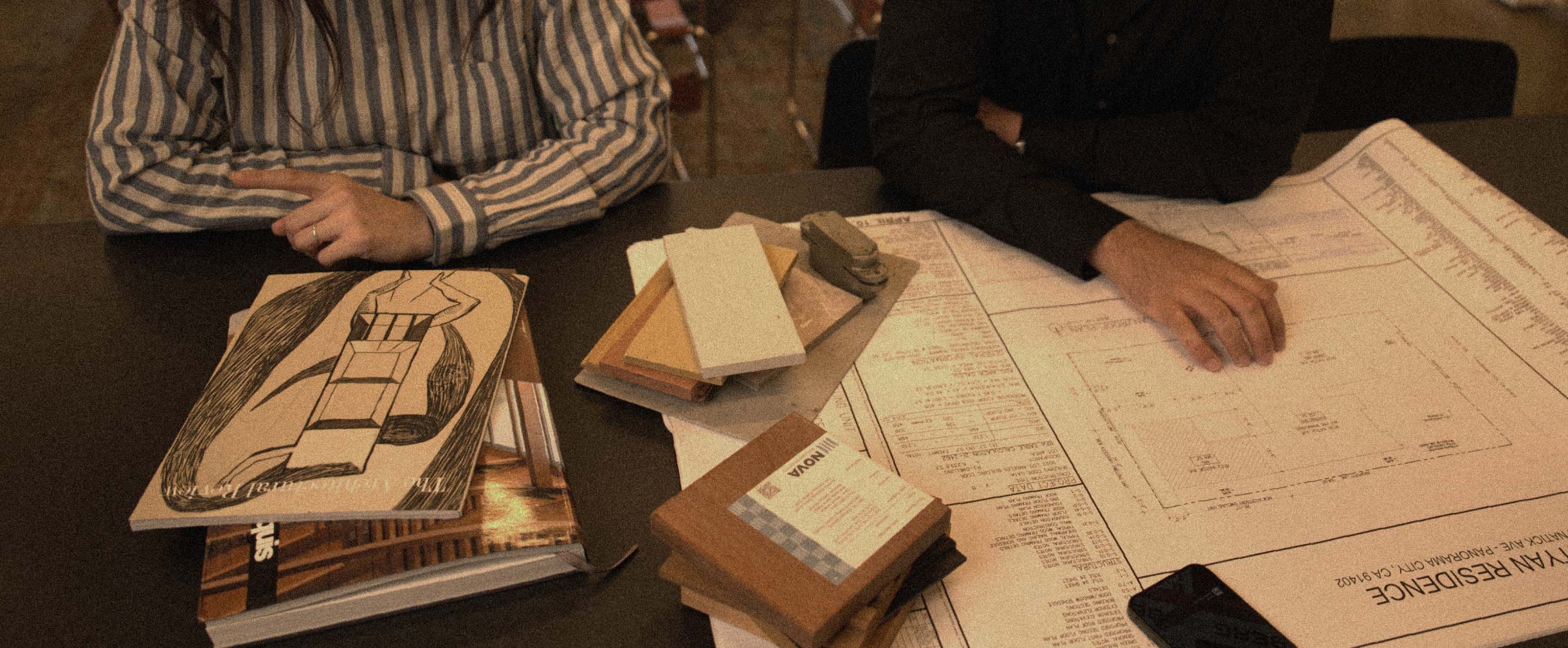
Our design-build process aligns:
- architecture
- engineering
- energy modeling
- material selection
This prevents late-stage compromises and preserves design intent.
Energy efficiency is not a look – it’s a result
The most efficient homes don’t advertise it.
They simply feel better to live in.
When energy efficiency is designed from the start, it becomes invisible – and invaluable.
If you want a home that performs efficiently without compromising design, our team can help you plan it right.
Schedule a consultation with BERG Development and build smarter from day one.