California homeowners know the sun can be both a blessing and a challenge. It powers our homes, brightens our days – and, during long summer months, it also drives energy costs through the roof (literally).
That’s where cool roofing and solar energy systems come in. Together, they form one of the most effective, long-term energy solutions for California homes – lowering bills, reducing carbon footprints, and protecting roofs from premature wear.
At Berg Development, we believe in smart, future-focused design. When we build or renovate homes, we integrate cool roofing and solar systems as part of a single, efficient strategy – not separate upgrades.
Here’s how the combination works, why it’s so effective, and how it can pay for itself faster than you think.
What is cool roofing – and why it matters in California
A cool roof is designed to reflect more sunlight and absorb less heat than a standard roof. It uses special reflective materials, coatings, or colors that keep the roof surface cooler – often by up to 50°F less than traditional roofing under the same sunlight.
How it works:
- Reflectivity (solar reflectance): the ability to reflect visible, infrared, and ultraviolet sunlight.
- Emissivity: how efficiently a material releases absorbed heat.
The higher both numbers are, the cooler your roof stays – which means your home stays cooler too.
Why it matters in California:
- Summer heat and strong sunlight make cooling systems work overtime.
- Roof surfaces can reach 150°F–190°F on a hot day – a major contributor to interior heat gain.
- Cool roofs help homes meet California Title 24 energy efficiency standards, reducing AC demand and lowering carbon emissions.
The California Energy Commission estimates cool roofs can lower cooling energy use by 10–20%, depending on location and home type.
The benefits of cool roofing
- Lower energy bills – With less heat transfer through the roof, your home stays naturally cooler, so air conditioners run less.
- Longer roof lifespan – Reduced heat stress means less expansion, cracking, and warping of materials.
- Improved comfort – Especially in single-story homes or attic spaces, where roof heat can make rooms unbearable.
- Environmental impact – By lowering energy use, cool roofs reduce the “urban heat island” effect in dense areas.
How solar panels and cool roofs work together
At first, cool roofing and solar panels might seem unrelated – one reflects sunlight, the other captures it. But when designed correctly, they complement each other perfectly.
Here’s how:
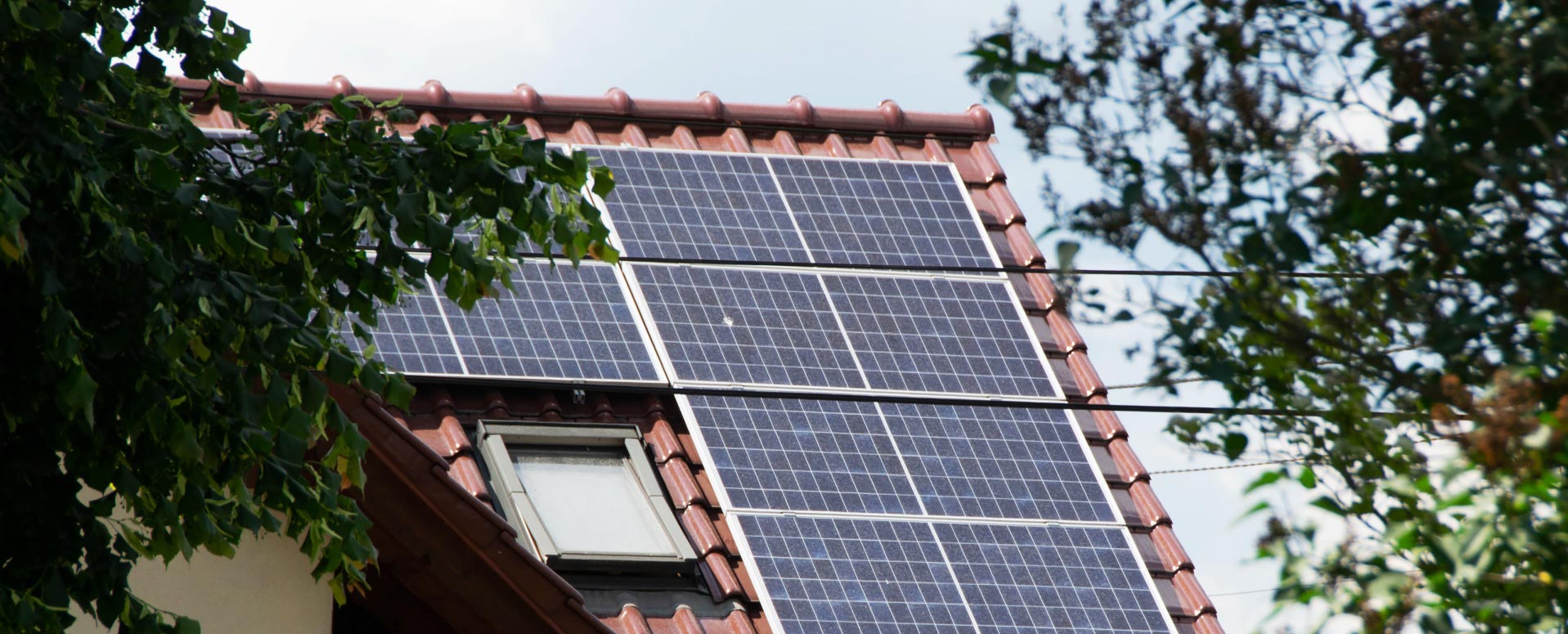
- Cool roofs improve solar efficiency.
Solar panels work best at cooler temperatures. When the roof beneath them stays cooler, panels perform better – producing more power per hour. - Solar panels protect the roof.
Panels provide shade over sections of the roof, reducing UV damage and temperature fluctuations. - Together, they reduce total heat load.
The reflective roof cools surrounding surfaces, while solar panels convert sunlight into usable energy instead of waste heat.
The result: a balanced, efficient rooftop system that produces energy, saves money, and protects itself from excessive heat damage.
Installation order – which comes first?
If you’re planning to install both, sequencing matters.
- If you’re re-roofing first:
Choose a cool-roof material now, so when you later install solar, you won’t have to remove panels for roof replacement. - If you already have solar:
Roof replacement becomes trickier, since panels must be removed and reinstalled. In this case, coordinate with both the roofer and solar provider to time the process efficiently.
Berg advantage: As a design-build company specializing in both roofing and solar, we handle the full coordination in-house – ensuring your systems are compatible, optimized, and installed in the correct order.
Types of cool roof materials for residential homes
- Cool asphalt shingles – Made with reflective granules; available in light grays, blues, and even darker tones with reflective coatings.
- Cool metal roofing – Highly reflective and durable; ideal for modern designs.
- Tile roofing – Clay or concrete tiles with light colors or special coatings provide natural thermal resistance.
- Single-ply membranes (TPO, PVC) – Common in flat-roof ADUs and commercial structures; excellent solar reflectance.
Berg helps homeowners select the right roofing material based on aesthetics, durability, and energy goals – ensuring both the roof and the solar system perform at their best.
Financial and long-term savings
Energy efficiency isn’t just good for the planet – it’s good for your wallet.
Average annual savings:
- Cool roof alone: $200–$500/year in reduced cooling costs.
- Solar + cool roof combo: $1,200–$2,000/year, depending on energy usage and system size.
Add in rebates and tax incentives, and you’ll see even greater returns.

Rebates, credits, and Title 24 compliance
California rewards energy-efficient building. Here’s how homeowners can benefit:
- Federal Solar Investment Tax Credit (ITC): 30% credit on solar installation costs (available through 2032).
- California’s SGIP (Self-Generation Incentive Program): Rebates for solar + battery systems.
- Cool Roof Rebates: Offered by many utility companies (check LADWP, PG&E, SoCal Edison).
- Title 24 compliance: Cool roofs often help satisfy California’s mandatory building energy standards, which can also speed up permitting.
Berg ensures every solar and roofing project meets – or exceeds – state energy requirements, keeping you compliant and eligible for available incentives.
Real-world case studies from Berg projects
Case Study 1 – Glendale ADU + Solar Roof Integration
A homeowner wanted an ADU that was self-sustaining in energy. Berg installed a cool white TPO roof and a 7.2 kW solar system.
- Result: 17% more solar efficiency in summer months and $1,400/year in energy savings.
Case Study 2 – Burbank Home Remodel with Tile Roof + Solar Panels
We replaced an aging dark tile roof with a reflective cool tile system and added integrated solar.
- Result: Interior temperatures dropped by 6°F on average, and AC usage decreased by 22%.
Case Study 3 – Pasadena Modern Build
Combining a metal cool roof with solar and battery backup made the home nearly net-zero energy.
- Result: Utility bills averaged under $20/month.
The sustainability factor – designing for the future
Beyond savings, combining cool roofing and solar supports long-term sustainability goals.
- Reduces carbon emissions.
- Extends roof life by reducing heat cycles.
- Helps California communities meet renewable energy targets.
At Berg, we see it as building smarter – not just greener.
Every material, coating, and panel placement is chosen for long-term efficiency and architectural harmony.
Why Berg Development takes an integrated approach
Most companies handle roofing and solar separately. Berg does both – under one roof.
Our integrated design-build model means:
- Seamless coordination between solar engineers and roofing specialists.
- Optimized system layouts for energy production and design aesthetics.
- Faster timelines and fewer contractor conflicts.
- One warranty that covers the entire system.
When it’s done right, your roof isn’t just a surface – it’s your home’s energy engine.
Conclusion
As California’s climate grows hotter and energy costs rise, cool roofing and solar aren’t luxuries anymore – they’re smart, future-proof investments.
Together, they create homes that stay cooler, cost less to run, and perform better for decades.
At Berg Development, we don’t see these as separate upgrades – we see them as two parts of one sustainable system, designed to protect your home, your wallet, and your planet.
Ready to make your roof work for you? Contact Berg Development today to learn about integrated solar and cool roofing solutions built for California living.