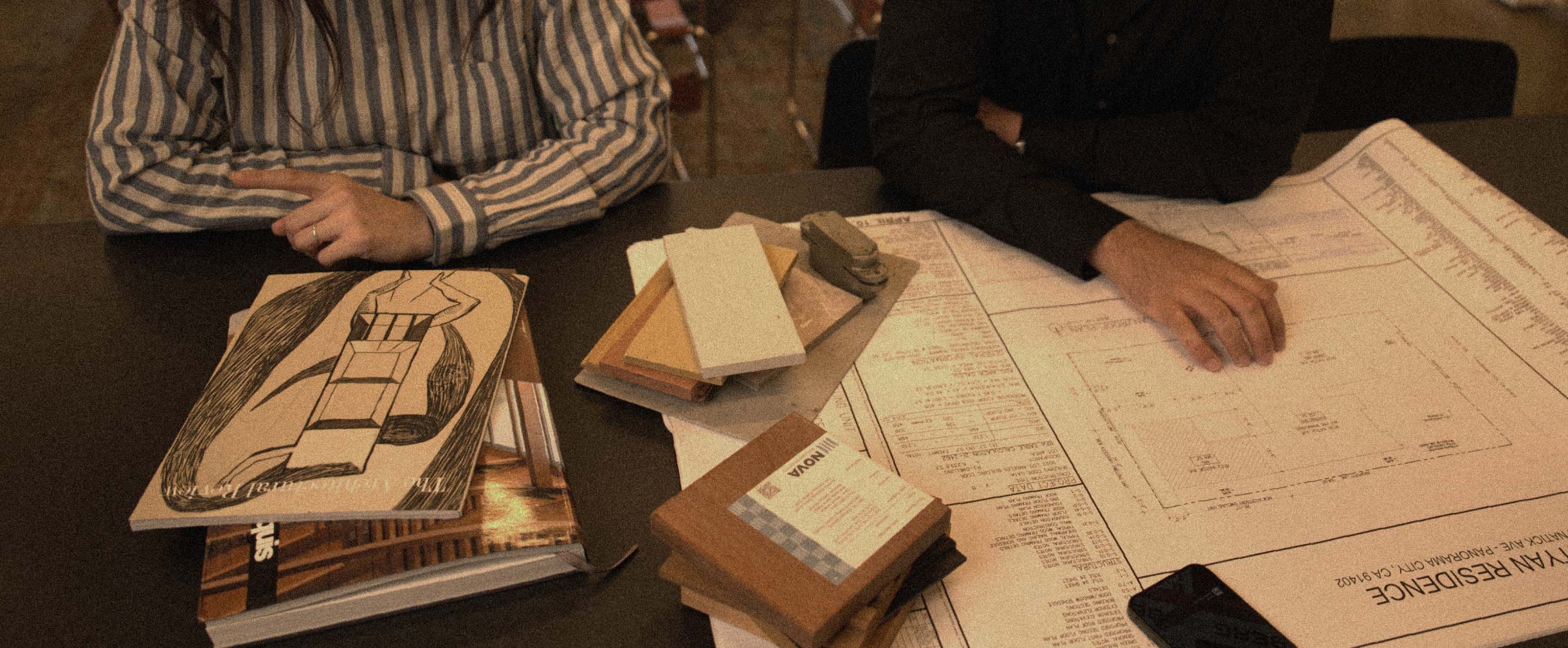
Scroll through Instagram or Pinterest and you’ll see it everywhere:
wide-plank floors, ultra-light wood tones, seamless concrete, glossy tiles, and perfectly styled interiors that look effortless.
But what looks stunning in a photo doesn’t always perform well in real life.
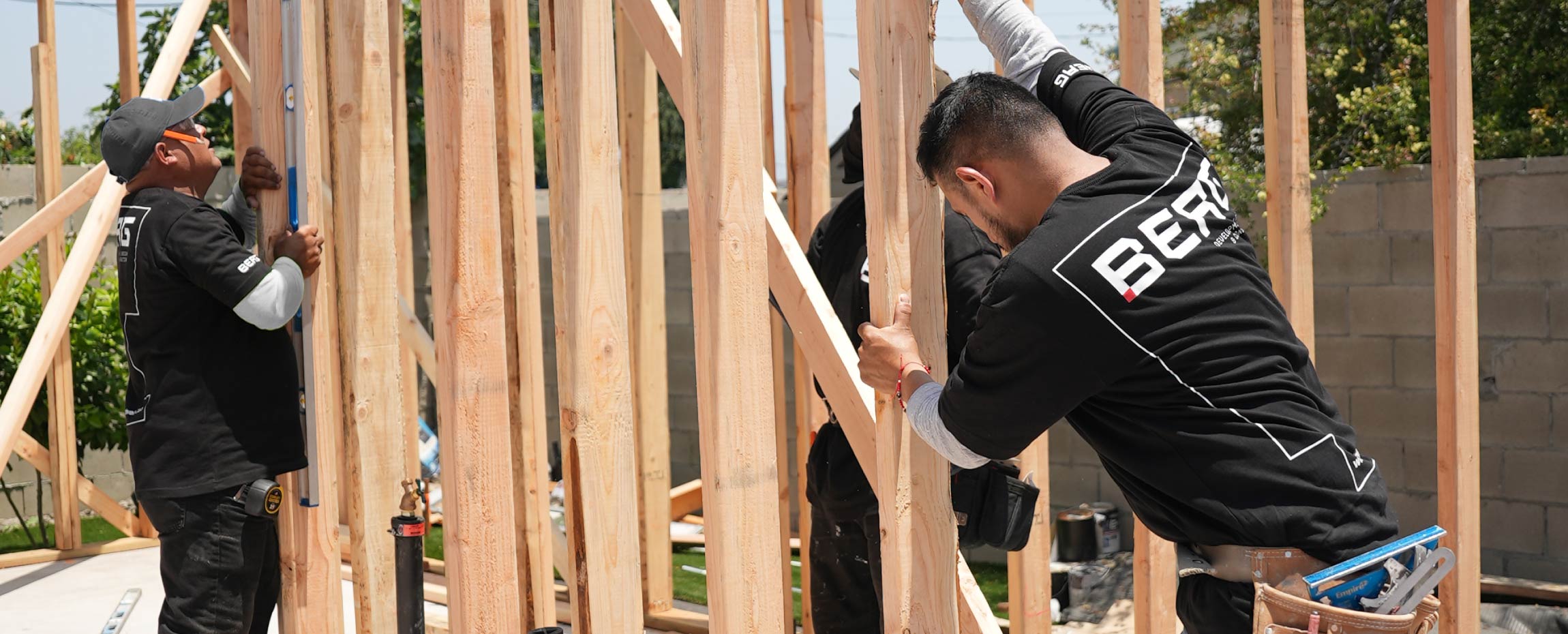
At BERG Development, we see the long-term consequences of flooring decisions every day – warped boards, cracked finishes, constant maintenance, and expensive replacements that could have been avoided with better planning.
This article breaks down the most common flooring mistakes that photograph beautifully but fail over time – and how to choose flooring that balances design, durability, and daily life.
Mistake 1: choosing ultra-light or white-toned floors without understanding wear
Light wood and near-white floors dominate social media feeds. They create a clean, airy aesthetic and make spaces feel larger.
But in real homes, these floors often show:
-
scratches
-
dents
-
dust
-
pet hair
-
everyday wear patterns
Light finishes don’t hide damage – they highlight it.
In high-traffic areas, kitchens, or homes with kids and pets, ultra-light floors can look worn within a year.
What works better long-term
-
mid-tone woods that conceal wear naturally
-
textured finishes that break up surface imperfections
-
matte or satin coatings instead of high-gloss
Design should age gracefully – not demand perfection.
Mistake 2: prioritizing wide planks without accounting for movement
Wide plank flooring looks luxurious and modern on camera.
But wider boards expand and contract more with temperature and humidity changes.
In California homes, especially:
-
coastal areas
-
hillside properties
-
homes without consistent climate control
this movement can cause:
-
cupping
-
gapping
-
warping
-
separation at seams
Instagram doesn’t show these issues – but homeowners live with them.
What works better long-term
-
engineered wood with a stable core
-
properly acclimated materials before installation
-
plank widths chosen based on climate and subfloor conditions
Wide planks can work – but only when engineered and installed correctly.
Mistake 3: ignoring subfloor conditions
Photos focus on surface beauty. Construction focuses on what’s underneath.
Many flooring failures come from:
-
uneven subfloors
-
moisture issues
-
improper leveling
-
rushed preparation
No flooring material performs well on a bad subfloor.
This mistake is common in remodels where homeowners want to “install over existing flooring” to save time or money.
What works better long-term
-
proper subfloor inspection before material selection
-
moisture testing, especially over concrete
-
leveling and reinforcement when needed
A flawless finish starts below the surface.

Mistake 4: polished concrete without understanding maintenance reality
Polished concrete floors look sleek, minimal, and architectural on social media.
In practice, they are:
-
cold underfoot
-
unforgiving to dropped items
-
prone to cracking
-
sensitive to moisture and staining
They also require regular sealing and maintenance – something rarely mentioned in design posts.
What works better long-term
-
concrete-look porcelain tile
-
engineered finishes with concrete aesthetics
-
radiant heating integration if concrete is used
Concrete is a system, not just a finish – and it must be treated as such.
Mistake 5: choosing flooring based on a single room photo
Instagram shows flooring in perfect conditions:
-
styled lighting
-
wide-angle lenses
-
minimal furniture
-
no daily wear
But homes aren’t static photos.
Flooring should be chosen based on:
-
how spaces connect
-
traffic flow
-
light changes throughout the day
-
furniture weight and movement
A floor that looks perfect in one room can feel disjointed or impractical across an entire home.
What works better long-term
-
viewing large samples in real lighting
-
walking through the space mentally, not visually
-
planning transitions between rooms
Good flooring decisions consider movement – not moments.
Mistake 6: glossy finishes that amplify every flaw
High-gloss floors photograph beautifully.
They reflect light, enhance contrast, and look dramatic on camera.
In daily life, they also:
-
show footprints instantly
-
highlight scratches
-
require constant cleaning
-
feel slippery underfoot
Glossy finishes are high-maintenance by design.
What works better long-term
-
matte or satin finishes
-
wire-brushed or textured surfaces
-
finishes that diffuse light naturally
Luxury is often quieter than Instagram suggests.
Mistake 7: skipping moisture considerations
Moisture is flooring’s silent enemy.
Common mistakes include:
-
installing wood in bathrooms or basements
-
ignoring slab moisture levels
-
using the wrong underlayment
-
choosing materials unsuitable for microclimates
Failures may not appear immediately – but they always appear eventually.
What works better long-term
-
engineered materials in moisture-prone areas
-
proper vapor barriers
-
flooring choices aligned with room function
The best floors are chosen by environment, not trend.

Mistake 8: choosing trends over timelines
Trends move fast. Floors do not.
Many homeowners regret:
-
ultra-trendy patterns
-
bold finishes that date quickly
-
materials chosen without resale or longevity in mind
Replacing flooring is disruptive and expensive – far more than repainting or updating fixtures.
What works better long-term
-
timeless tones with subtle character
-
natural materials or realistic alternatives
-
designs that complement multiple styles
A good floor should outlast trends – not chase them.
Mistake 9: underestimating maintenance requirements
Some flooring looks effortless online but demands constant care:
-
frequent resealing
-
specialized cleaners
-
strict moisture control
Maintenance fatigue is real – and often leads to premature replacement.
What works better long-term
-
honest maintenance conversations before selection
-
materials aligned with lifestyle
-
finishes designed for real use
The best flooring is the one you don’t have to think about every day.
Mistake 10: separating design from construction reality
The biggest mistake isn’t material choice – it’s process.
When design decisions happen without construction input:
-
materials are chosen without feasibility checks
-
installation risks are overlooked
-
long-term performance isn’t evaluated
This gap is where most flooring failures begin.
At BERG Development, design and construction decisions happen together – so what looks good also works.
How to choose flooring that lasts
Before committing to any flooring, ask:
-
how will this age in 5, 10, 20 years?
-
how does it perform in this room specifically?
-
what does maintenance actually involve?
-
how does it respond to climate and use?
Design should serve life — not fight it.
Instagram isn’t wrong – it’s incomplete
Social media shows the moment. Construction must support the lifetime.
Beautiful flooring is possible without sacrificing durability – but only when decisions are grounded in reality, not just visuals.
At BERG Development, we help clients choose materials that feel just as good years later as they did on day one.
If you’re planning a remodel or new build and want flooring that balances design, performance, and longevity, our team is here to guide you.
Schedule a consultation with BERG Development and make material choices that look great – and last.