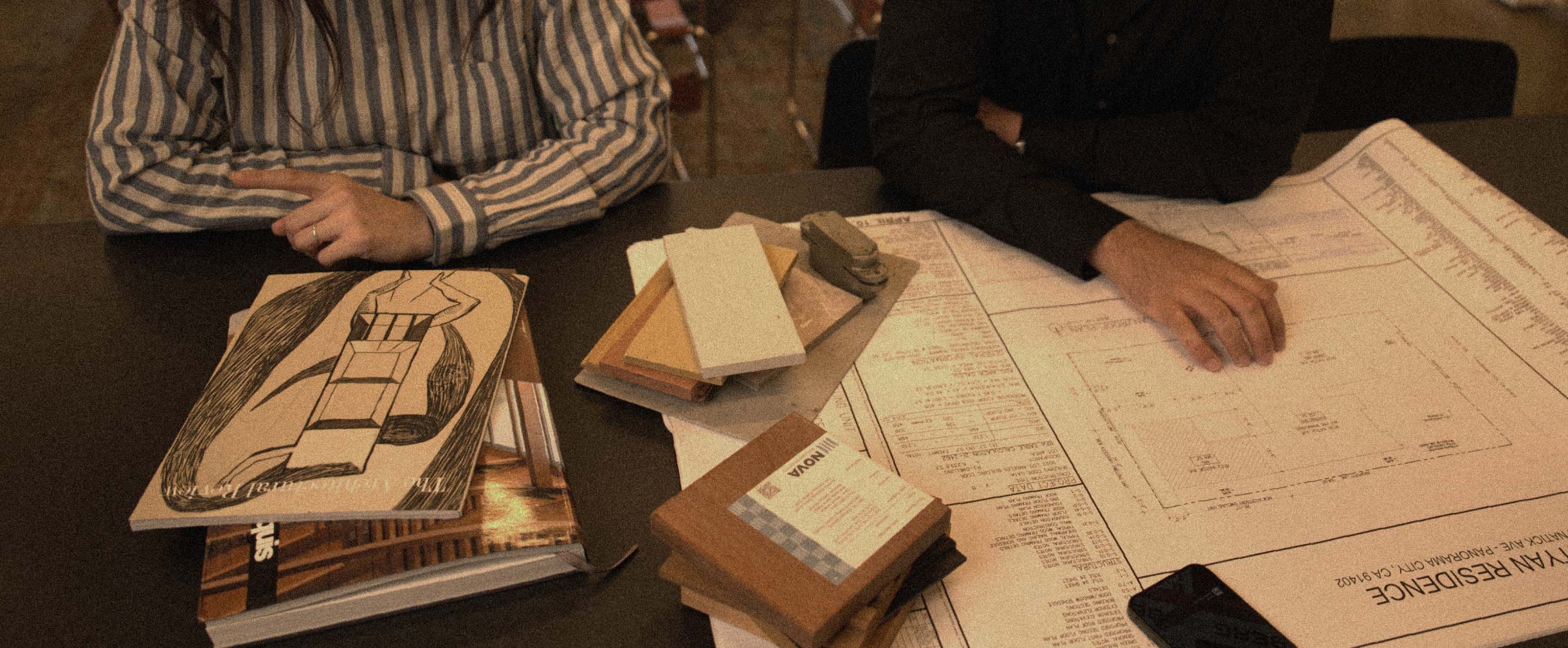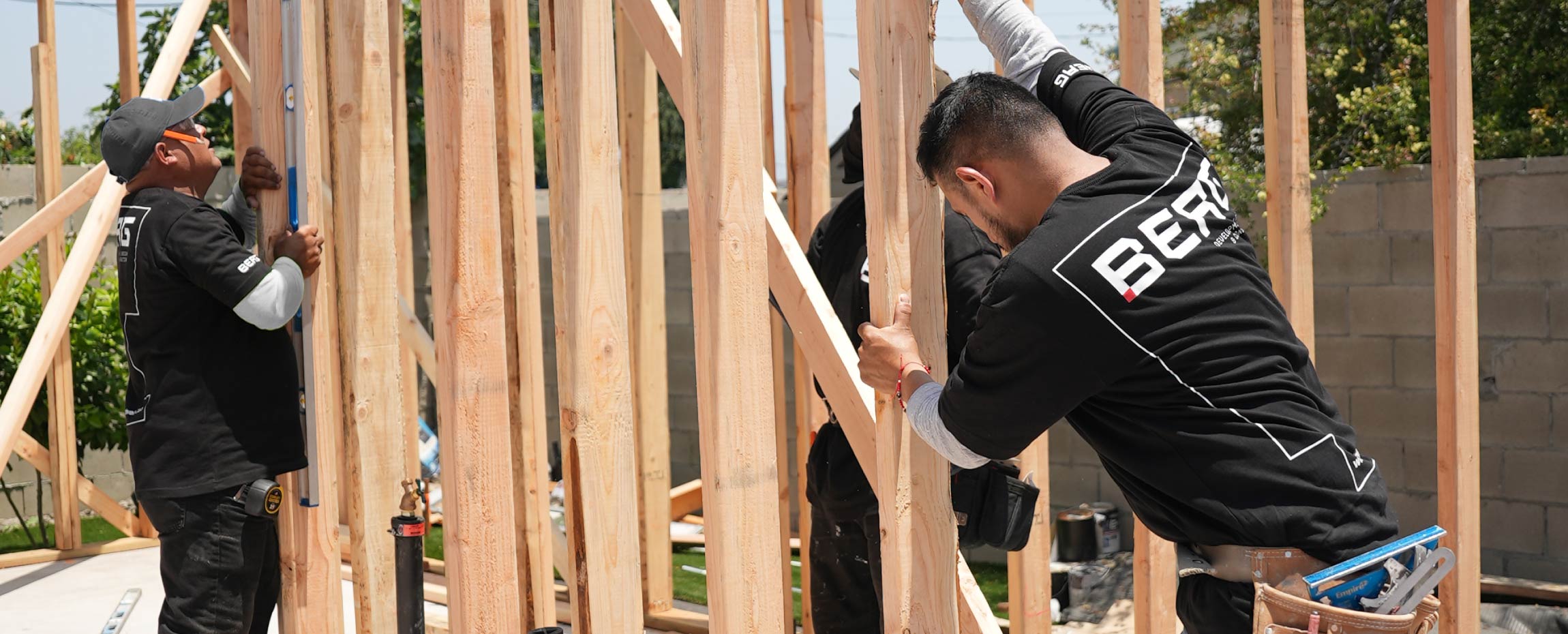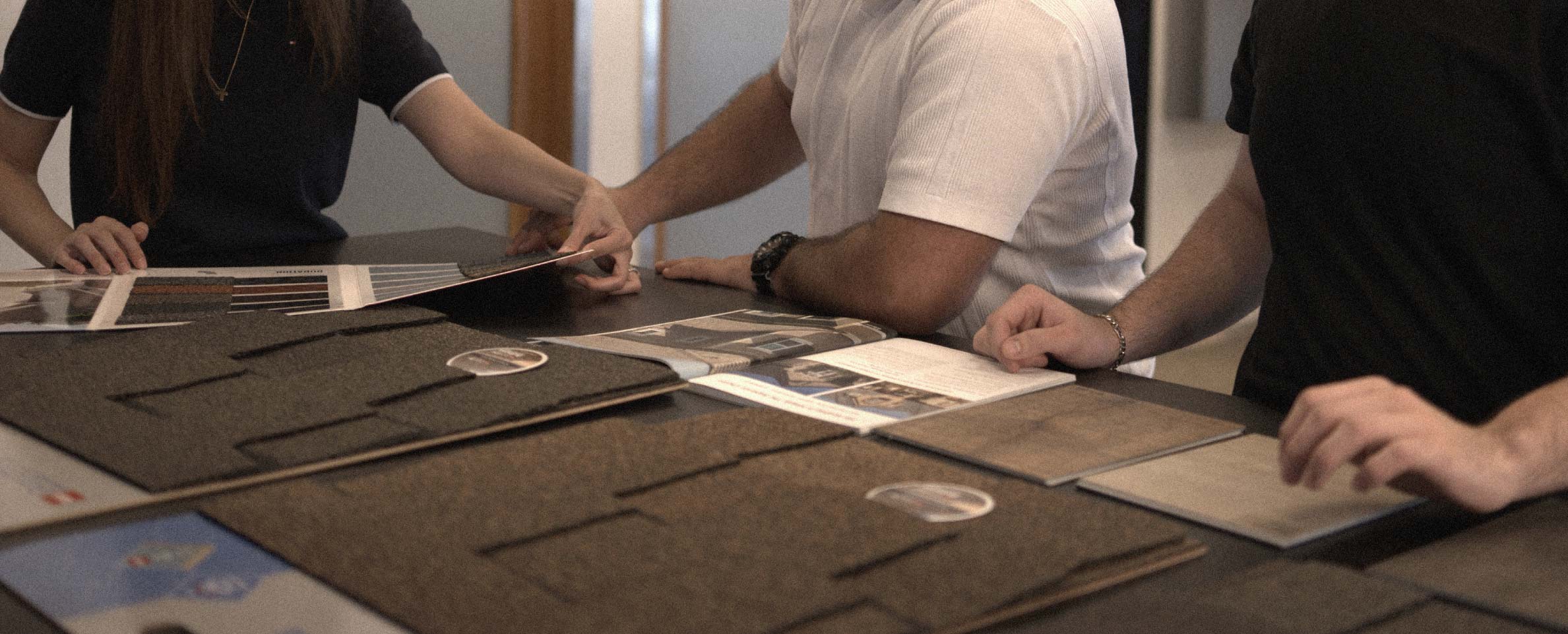
Material selection is one of the most important decisions in any construction or remodeling project – yet it’s often driven by appearance and upfront cost alone.
What many homeowners don’t realize is that maintenance costs quietly accumulate over time, often far exceeding the original price difference between materials.
At BERG Development, we help clients look beyond the showroom and consider how materials perform years after construction is complete. This guide breaks down the hidden maintenance costs homeowners should evaluate before choosing materials – and how to avoid expensive regrets.
Why maintenance costs matter more than upfront price
Two materials may look identical on day one but behave very differently over time.
Maintenance costs include:
- cleaning requirements
- repairs
- refinishing
- replacements
- labor access
A “cheaper” material often becomes more expensive once long-term care is factored in.
Exterior materials: Where maintenance adds up fastest
Wood siding
Natural wood offers warmth and character, but it requires:
- regular sealing or painting
- protection from moisture
- pest management
Over time, maintenance costs can exceed installation costs.
Fiber cement siding
More durable than wood, but still requires:
- repainting
- joint inspections
- occasional repairs
Lower maintenance than wood, but not maintenance-free.
Stucco
Popular in California, but prone to:
- cracking
- moisture intrusion if poorly detailed
Repairs can be costly if issues aren’t caught early.
Roofing materials and long-term upkeep
Asphalt shingles
- lower upfront cost
- shorter lifespan
- more frequent replacement
Tile roofing
- long lifespan
- individual tile repairs
- underlayment replacement costs
Metal roofing
- minimal maintenance
- higher upfront cost
- long-term savings
Roofing choices dramatically affect long-term ownership costs.

Flooring maintenance realities
Some flooring materials require:
- regular resealing
- specialized cleaners
- refinishing
Examples:
- hardwood floors need periodic refinishing
- polished concrete requires sealing
- natural stone needs ongoing care
Engineered alternatives often reduce maintenance without sacrificing aesthetics.
Wall finishes and repair costs
Drywall repairs are:
- relatively inexpensive
- easy to match
Plaster repairs:
- require skilled labor
- cost more per repair
Decorative wall systems:
- may need panel replacement
- require custom materials
Durability and repair access should factor into wall material decisions.
Windows and doors: The overlooked maintenance category
Maintenance varies by:
- frame material
- glazing type
- hardware quality
Wood frames require more care than aluminum or composite alternatives.
Poor-quality hardware leads to costly replacements later.
Interior finishes and fixtures
High-maintenance finishes include:
- high-gloss surfaces
- specialty coatings
- delicate materials
These look stunning – but require consistent upkeep.
Low-maintenance finishes provide:
- easier cleaning
- longer lifespan
- fewer repairs
Labor access costs
Some materials are expensive not because they fail – but because they’re hard to access.
Examples:
- custom ceiling finishes
- specialty exterior cladding
- integrated systems behind finishes
Design decisions should account for future access.
How BERG Development evaluates maintenance costs
We assess:
- expected lifespan
- maintenance frequency
- repair complexity
- replacement cost
- owner lifestyle
This ensures materials support long-term ownership – not just initial impressions.
Choosing materials with clarity
Ask:
- how often will this need maintenance?
- what does repair actually involve?
- who performs the work?
- what does it cost over 10–20 years?
Smart materials reduce ownership stress.
Maintenance isn’t a flaw – it’s a responsibility
All materials require care.
The goal isn’t zero maintenance – it’s predictable maintenance.
Understanding costs upfront prevents frustration later.
If you want help selecting materials that balance aesthetics, durability, and long-term cost, our team is here to guide you.
Schedule a consultation with BERG Development and make decisions that hold up over time.