Most homeowners thinking about solar panels focus on the panels themselves – brand, efficiency, and cost per watt. But the truth is, the roof beneath the panels matters just as much. A weak or poorly planned roof can shorten the life of your solar system, add costly repairs, or even force a full re-roof years earlier than expected.
If you’re planning a remodel or new build in Los Angeles, designing a solar-ready roof from day one ensures lower costs, better energy performance, and decades of worry-free power.
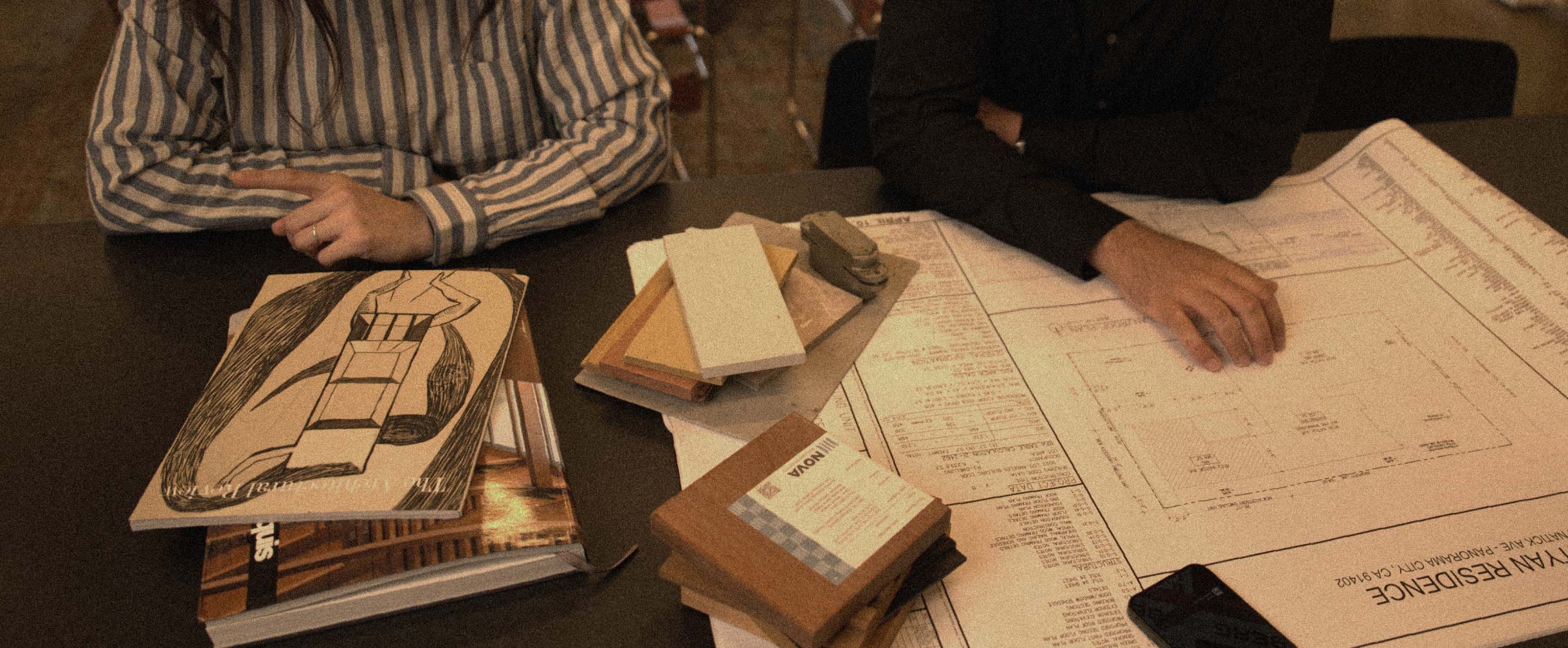
Load planning: the hidden first step
Solar panels add weight – typically 3-4 pounds per square foot. On a small roof this may not seem like much, but over a 2,000 sq ft area, that’s 6-8 tons.
A solar-ready roof requires:
- Structural review by an engineer.
- Reinforced rafters or trusses if needed.
- Roof penetrations carefully sealed to prevent leaks.
Planning for loads at the design stage avoids future retrofits and ensures city approval.
Roofing materials: which work best with solar?
Asphalt shingles
- Pros: affordable, common, easy to install panels on.
- Cons: shorter lifespan (15-25 years), may not outlast solar panels.
- Best for: budget-friendly solar projects, but consider re-roofing before installing panels.
Standing seam metal
- Pros: extremely durable (40-70 years), panels attach without penetrations, fire-resistant.
- Cons: higher upfront cost.
- Best for: long-term solar systems, modern designs, low-maintenance goals.
Clay or concrete tile
- Pros: classic look, long lifespan (30-50 years).
- Cons: labor-intensive solar installs, tiles often need to be removed/reinstalled.
- Best for: Mediterranean or Spanish-style homes where aesthetics matter.
Cool roofs
- Pros: required in many parts of LA by Title 24, reflect sunlight to lower cooling costs.
- Cons: cost varies depending on coating/system.
Best for: compliance with energy codes and maximizing efficiency alongside solar.
Solar wiring and penetrations
A solar-ready roof isn’t just about structure – it’s also about wiring. Smart planning includes:
- Pre-installed conduit routes inside walls/attic.
- Dedicated roof pathways for solar arrays.
- Grouped penetrations to minimize leak risks.
Timing your roof and solar together
The biggest mistake homeowners make is installing solar on an old roof. Solar panels last 25-30 years. If your roof won’t last that long, you’ll have to remove and reinstall the panels mid-lifecycle – a costly process.
Best practice: re-roof or build new roofing before solar installation, not after.
Roof maintenance for solar systems
- Keep gutters and drains clear to prevent water pooling.
- Inspect flashing around penetrations every 2-3 years.
- Check that racking systems remain tight and watertight.
How BERG designs solar-ready roofs
At BERG, we design every roof with energy in mind. Our team:
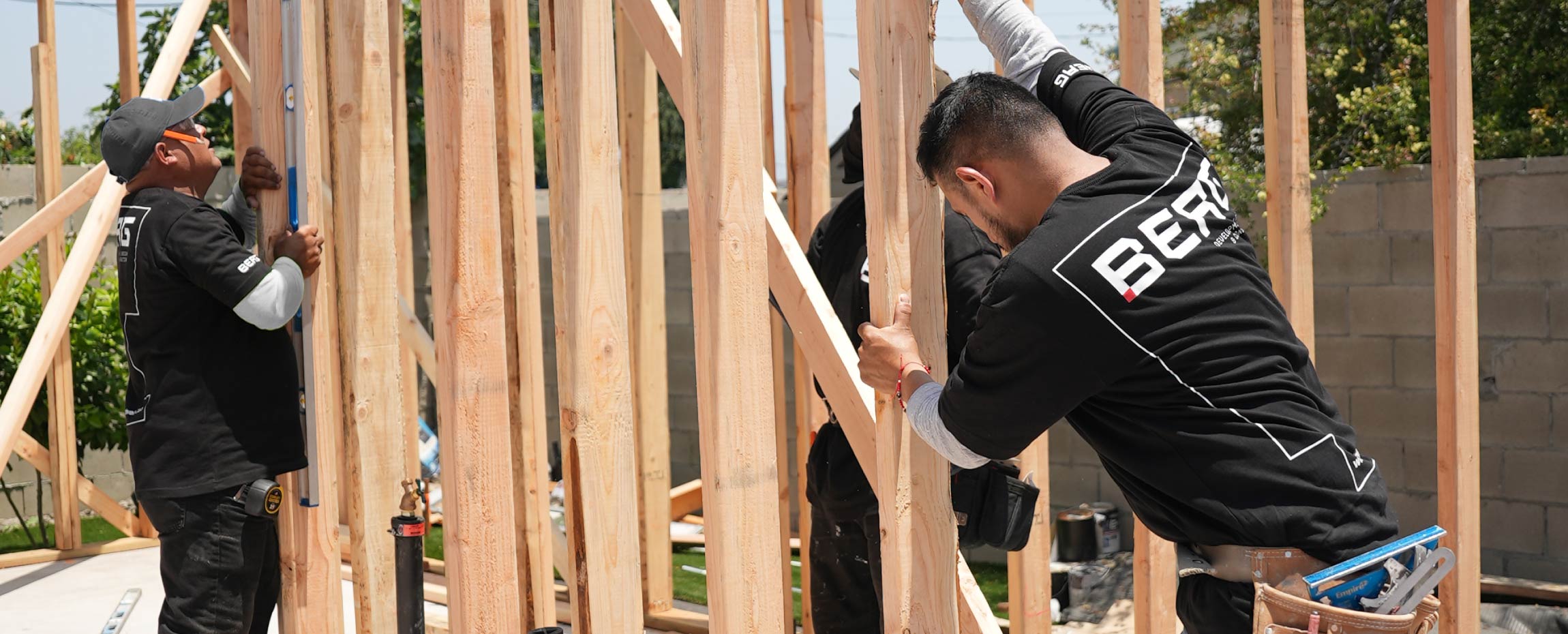
- Coordinates with structural engineers for solar load planning.
- Designs roofs with long-lasting materials like standing seam metal or cool roofs.
- Plans conduit routes and penetrations during construction.
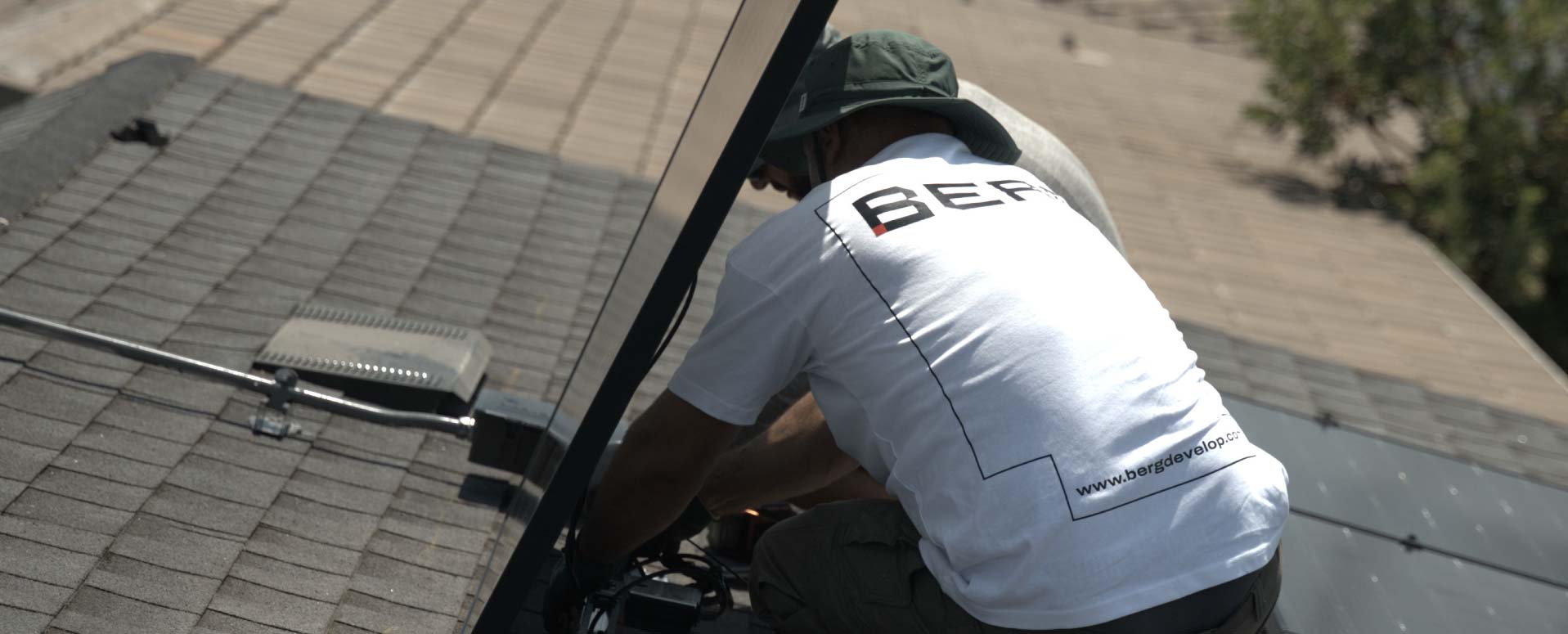
- Partners with solar installers to streamline installation and maximize system lifespan.
Conclusion: build the roof first, then the power
A solar system is only as strong as the roof beneath it. By planning for loads, choosing the right materials, and coordinating solar and roofing together, homeowners can save thousands and enjoy decades of clean energy without headaches.
Planning a remodel or ADU with solar? Contact BERG to design a roof that’s solar-ready, code-compliant, and built to last.