Remodeling is often seen as the safer, more affordable option. New construction feels bigger, riskier, and more disruptive.
But there’s a point where remodeling stops being practical – and continuing to renovate becomes the more expensive decision.
At BERG Development, we help homeowners identify that tipping point before they sink money into projects that can’t deliver long-term value.
Why homeowners default to remodeling
Most homeowners choose remodeling because:
- it feels less invasive
- it appears cheaper upfront
- it preserves familiarity
- it avoids permitting complexity
But familiarity doesn’t equal efficiency – and upfront cost doesn’t equal long-term value.
Signs a remodel is reaching its limit
Structural constraints
If walls can’t move, ceilings can’t raise, or layouts can’t adapt, design potential is capped.
Outdated systems everywhere
When plumbing, electrical, HVAC, insulation, and framing all need upgrades, you’re rebuilding – just inefficiently.
Code upgrades cascade
Touching one system often triggers mandatory upgrades elsewhere, increasing costs rapidly.
Diminishing returns
You invest more but gain less – function, comfort, and value plateau.
The hidden costs of extensive remodeling
Remodels often include:
- selective demolition
- temporary structural support
- patchwork upgrades
- design compromises
These inefficiencies add cost without improving performance.
When new construction becomes the smarter choice
New construction makes sense when:
- the layout no longer serves modern living
- systems require full replacement
- energy efficiency upgrades are extensive
- long-term ownership is planned
- resale value matters
Starting fresh allows:
- optimized layouts
- integrated systems
- modern performance standards
- predictable costs
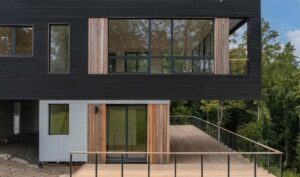
Cost comparison: remodel vs rebuild
While new construction has higher upfront costs, it often delivers:
- lower maintenance
- better energy performance
- fewer surprises
- higher resale value
Remodeling can appear cheaper – until change orders, inefficiencies, and compromises add up.
Design freedom vs constraint
Remodeling works within limits.
New construction defines them.
That freedom allows:
- better daylighting
- improved flow
- structural efficiency
- future-proofing
BERG Development’s design-build perspective
We don’t push homeowners toward rebuilding.
We evaluate:
- structure
- systems
- goals
- budget
- timeline
Then we present clear options – remodel, rebuild, or hybrid – based on long-term logic, not short-term comfort.
The emotional side of rebuilding
Choosing new construction can feel like “giving up” on a home.
In reality, it’s often choosing to invest smarter.
The goal isn’t to preserve walls – it’s to improve how you live inside them.
Remodel when it still serves you
Rebuild when it doesn’t
The smartest construction decision isn’t emotional or trendy – it’s strategic.
Understanding when a remodel stops making sense protects both your budget and your future comfort.
If you’re debating between remodeling and rebuilding, our team can help you evaluate both paths clearly.
Schedule a consultation with BERG Development and make decisions based on long-term value, not guesswork.